
Full-Time RV Living for Beginners: The Complete Starter Guide
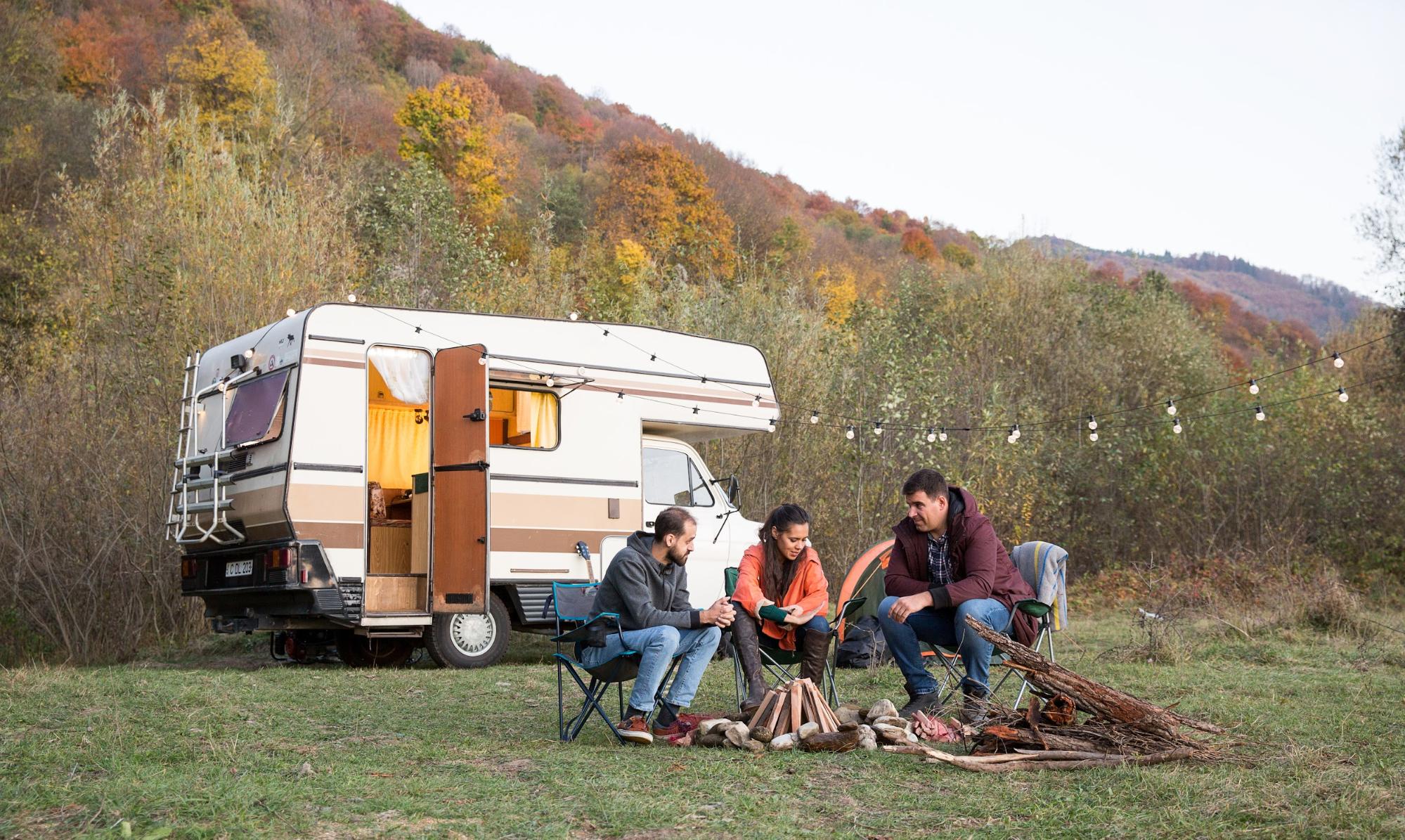
At some point, almost everyone who loves travel has had this thought: What if I could just live on the road? No fixed location, no long commutes, and no waiting for the next vacation. Just pack up, start the engine, and wake up somewhere new whenever you feel like it.
That is the idea behind full-time RV living.
But once people look into it seriously, they find that RV living is more than buying an RV and driving away. There are practical things to work out first. How much does it really cost? Where will you park? How do you manage electricity and water? How do cooking, laundry and internet work in a small mobile space?
If you are curious whether this lifestyle could work for you, this guide walks you through what beginners need to know, from choosing the right RV to understanding real living costs.
What Is Full-Time RV Living?
Full-time RV living means making an RV your main home instead of a house or apartment. You do not use the RV only for vacations or weekend trips. You live in it every day.
Some RVers move often and explore new places every week. Others prefer a slower pace and stay in one place for longer before moving again. Some people park their RV in a long-term RV park and treat it like a compact home.
Most full-time RV lifestyles fall into a few common patterns:
- Constant travel: Moving to new destinations every few days or weeks while exploring different regions.
- Slow travel: Staying in one campground or area for a few weeks or months before moving.
- Stationary RV living: Parking in one RV park long term and using the RV like a small home.
Each approach offers a different balance of travel, stability and cost.
Living full time in an RV also means adjusting to a smaller space and learning how mobile living works. Daily routines often include:
- Managing fresh water and waste tanks
- Watching your power use
- Planning where to park overnight
- Maintaining the RV and its systems
Knowing these basics helps you set realistic expectations before you start.
Is Full-Time RV Living Right for You?
Full-time RV living works best when the lifestyle matches your habits, your finances and your comfort with moving around.
Questions to Ask Before Starting
Before you commit, think through the practical side of everyday RV life. A few simple questions can help:
- Do you prefer flexibility and mobility over long-term stability in one place?
- Are you comfortable planning travel routes and places to stay on a regular basis?
- Are you ready to adapt when plans change because of weather, availability or road conditions?
Space and Minimalism Challenges
Moving into an RV usually means owning a lot less. Furniture, extra appliances and many household items will not fit in a compact mobile space. The change often involves:
- Downsizing personal belongings
- Choosing items that do more than one job
- Organizing storage carefully
For some people, this simpler life feels refreshing. For others, getting used to limited storage takes time.
Remote Work and Income Considerations
Income planning matters a lot for full-time RV living. If you travel often, a job tied to one location can be hard to keep. Many RVers support the lifestyle through:
- Remote or online work
- Freelancing or consulting
- Seasonal jobs in travel destinations
A clear income plan before you make the move gives you financial stability on the road.
Family vs Solo RV Living
Living alone in an RV gives you more freedom in both travel and RV size. Solo travelers can often choose smaller, more mobile setups.
Families usually need more planning. Sleeping space, privacy and daily routines matter more when several people share a compact living area.
This difference often shapes the type of RV you choose and how fast you travel.
Pros and Cons of RV Living Full Time
Every lifestyle comes with trade-offs. Full-time RV living has some unique advantages, but it also asks you to adapt.
Common benefits include:
- More freedom to choose where you live
- The chance to explore different regions regularly
- A life built around experiences instead of possessions
Common challenges include:
- Frequent planning for travel and parking
- Adjusting to smaller living areas
- Managing logistics while moving between locations
Thinking through these points helps beginners decide whether full-time RV living is a practical and enjoyable long-term choice.
Choosing the Right RV for Full-Time Living
There are several types of RVs. Each one offers a different balance of mobility, living space and cost. Knowing the options helps first-timers choose an RV that fits their lifestyle.
Motorhomes vs Towable RVs
RVs fall into two main groups: motorhomes and towable RVs.
Motorhomes are vehicles with a built-in living space, so the engine and the home are one unit. Towable RVs are pulled by another vehicle, such as a truck or SUV.
Common motorhome options include:
- Class A motorhomes: Large bus-style RVs with roomy interiors, often used for comfortable long-term living.
- Class B camper vans: Compact vans converted into living spaces. Easier to drive and park, but with limited space.
- Class C motorhomes: Mid-sized RVs built on a truck chassis, with a balance of space and easy handling.
Towable RV options include:
- Travel trailers: Versatile and available in many sizes, towed by SUVs or trucks.
- Fifth wheels: Larger towable RVs that connect to a pickup truck, with more living space and storage.
Each type has its advantages. Motorhomes are convenient for travel because everything is in one vehicle. Towable RVs let you unhitch the RV and use the tow vehicle on its own.
Features Beginners Should Prioritize
When you choose an RV for full-time living, some features matter more because you will use the space every day.
Key features to consider:
- Insulation and climate control: Important for staying comfortable in both hot and cold weather.
- Storage space: Full-time living needs room for clothes, kitchen items and daily essentials.
- Water tank capacity: Larger fresh, gray and black tanks allow longer stays without refilling or dumping.
- Bathroom and shower size: Comfort matters when you use the RV every day.
- Power options: Solar panels, batteries and generator support help with off-grid living.
Taking time to compare RV types and features helps beginners avoid one of the most common mistakes in RV living, which is buying an RV that does not fit their lifestyle.
Real Costs of Full-Time RV Living
One of the biggest questions is whether living in an RV actually saves money. The answer depends mostly on your travel style, the type of RV you choose, and how often you move.
RV Purchase Cost
New RVs usually cost more but may come with warranties and newer features. Used RVs can be much more affordable, though they may need repairs or upgrades.
Rough price ranges:
- Used RVs: Often around $20,000 to $80,000, depending on type and condition
- New RVs: From about $60,000 to well over $200,000 for larger models
Monthly RV Living Expenses
Beyond the purchase price, full-time RV living has ongoing monthly costs, just like any other home.
Common recurring costs include:
- Campground or RV park fees
- Fuel for traveling between destinations
- RV insurance
- Maintenance and occasional repairs
- Internet and phone plans
- Groceries and everyday living
Average Monthly Budget Example
Budgets vary, but many full-time RVers spend somewhere between $1,500 and $4,000 per month, depending on travel habits and lifestyle choices.
For example, a monthly budget might look like this:
- Campground fees: $500 to $1,200
- Fuel: $200 to $600
- Insurance and maintenance: $150 to $400
- Internet and utilities: $100 to $250
- Food and daily expenses: $400 to $900
Some RVers spend less by boondocking or staying in low-cost locations. Others choose premium RV resorts and travel often, which raises their overall costs.
How to Set Up Your RV for Full-Time Living
Once you have chosen your RV, the next step is getting it ready for everyday living. Unlike occasional camping trips, full-time RV living needs a setup that supports daily routines such as cooking, working, staying connected and managing utilities.
Essential RV Gear for Beginners
Even a fully equipped RV usually needs a few extra tools and accessories to work smoothly on the road. Commonly used RV essentials include:
- Fresh water hose and water filter for connecting safely to campground water
- Sewer hose kit for emptying gray and black tanks
- Surge protector to protect your RV's electrical system at campgrounds
- Leveling blocks to steady the RV on uneven ground
- Basic RV tool kit for minor repairs and adjustments
RV Internet Setup
For many full-time RVers, reliable internet is essential. It lets people work remotely, manage finances, plan routes and stay in touch with family.
A typical RV internet setup may include:
- Mobile hotspot plans through cellular networks
- Portable routers or signal boosters to improve the connection
- Satellite internet systems used by travelers in remote locations
Coverage changes from place to place, so many RVers combine more than one option to stay connected.
Power and Energy Setup
Power management is another important part of RV living. Campgrounds provide electricity, but many RVers also prepare for times when hookups are not available.
Common power solutions include:
- Solar panels to make electricity during the day
- Lithium or deep-cycle batteries to store energy
- Portable generators for backup power when needed
Smart Climate Control in Your RV with WalTech
Temperature control matters a lot in an RV, because a small space heats up and cools down much faster than a house.
A smart thermostat makes this easier to manage. The WalTech UST 3.0 ($289) replaces your RV's wall thermostat and lets you check and change the temperature from your phone. It holds the room within 2°F of the temperature you set.
Useful WalTech UST 3.0 features for full-time RV living:
- A 3.5-inch color touch screen on the wall, plus control from the WalTech app
- App control and pet alerts over Wi-Fi are free
- Pet monitoring, so you get an alert and can adjust the AC when you are away from the RV
- Built-in cellular for places with no campground Wi-Fi (optional Cellular plan, $7.99 a month billed yearly or $10.99 month to month)
- A built-in Smart Hub that connects up to 40 sensors, such as a Water Leak Sensor, Door and Window Sensor, Motion Sensor or Mopeka tank sensor (sensor features need the optional Smart Hub plan, $5.99 a month billed yearly or $7.99 month to month)
- Control of up to 4 zones
Setting up the UST 3.0 is simple and takes about 15 to 30 minutes:
- Remove your existing wall thermostat
- Push the wires into the numbered terminals, following the wiring guide for your AC brand
- Connect the thermostat to the WalTech app for remote control
The UST 3.0 works with any fixed-speed RV air conditioner that uses a wall thermostat, including newer R32 units from Coleman-Mach, Airxcel, Dometic and Furrion. It does not work with variable-speed (inverter) air conditioners. Check the compatibility page before you order.
For full-time RVers, a smart thermostat like the WalTech UST 3.0 gives you better control over your indoor climate wherever the road takes you.
Where Do Full-Time RVers Park and Stay?
One of the first questions beginners ask is where they can park and live while traveling. There are several options, depending on your travel style and budget.
RV Parks and Campgrounds
RV parks and campgrounds are the most common places for full-time RVers. They usually offer hookups for electricity, water and sewer, along with amenities like Wi-Fi, laundry and showers.
State and National Parks
Many state and national parks offer RV campsites in scenic locations. These sites let you stay close to nature, but you often need a reservation in busy seasons.
Boondocking (Dry Camping)
Some RVers stay in areas without hookups. This is called boondocking. In these spots, you rely on your own water tanks, batteries and power sources.
Long-Term RV Parks
Long-term RV parks let people stay for weeks or months at a time, often at lower monthly rates. Many full-time RVers choose this option for a steadier routine.
Camping Membership Programs
Some travelers join campground membership programs that give access to multiple RV parks at discounted rates.
These options give RVers the freedom to choose where and how they want to live while traveling.
Biggest Mistakes Beginner RVers Make
Buying an RV Too Quickly
Many beginners buy the first RV that looks attractive or affordable without thinking about long-term living. Layout, storage and daily usability matter much more than looks when the RV becomes your home.
Underestimating Maintenance
RVs need regular maintenance because they combine vehicle systems and home systems. Ignoring small issues with plumbing, tires, seals or appliances can lead to bigger and more expensive problems later.
Not Planning Travel and Parking
Traveling without checking campground availability, road restrictions or weather can create needless stress. Planning routes and overnight stops ahead of time makes the trip much smoother.
Packing Too Many Belongings
Space inside an RV is limited, and too many items quickly create clutter. Many people find out later that living comfortably in an RV means keeping only the essentials.
Ignoring Weight Limits
Every RV has weight limits for safety and performance. Overloading storage compartments with extra gear or supplies can affect driving stability and add wear to the vehicle.
Tips to Make Full-Time RV Living Easier
RV living gets much easier when you build simple habits and plan carefully. Many experienced RVers say the first few months are mostly about learning and adjusting.
Start With a Trial Period
Before you commit fully, spend some time testing the lifestyle. A short trial shows you how daily life in an RV really feels.
A trial helps you:
- Understand how much space you really need
- Learn how RV systems work
- Adjust to daily routines in a smaller space
Keep Your Setup Simple
Many beginners try to add too many upgrades or gadgets right away. A simple setup is often the easiest to manage when you are just starting.
Keeping things simple helps you:
- Avoid unnecessary expenses
- Learn how your RV systems work
- Reduce technical problems early on
Stay Longer in One Place
Moving every day or every few days can become tiring and expensive. Staying longer in one place lets you settle into a routine and explore the area in comfort.
Staying longer can help you:
- Reduce fuel costs
- Avoid travel fatigue
- Enjoy destinations at a slower pace
Learn Basic RV Maintenance
Small maintenance tasks are part of everyday RV living. Learning the basics early can save time, money and stress.
Useful skills include:
- Checking tire pressure and fluid levels
- Inspecting roof seals and exterior joints
- Keeping an eye on water and electrical systems
Maintain a Flexible Travel Plan
Even with good planning, things do not always go as expected on the road. Weather, campground availability or surprise repairs can change your plans.
A flexible approach helps you adapt quickly and keeps the RV lifestyle enjoyable instead of stressful.
Final Thoughts
Full-time RV living offers freedom, flexibility and the chance to explore new places while bringing your home along. But a comfortable life on the road takes smart planning and good use of your RV's systems.
A smart thermostat like the WalTech UST 3.0 helps keep your RV at a comfortable temperature, and lets you check on it from your phone wherever you travel. Have a question before you buy? Text us at 1-844-WALTECH. You can also find more RV guides on the WalTech blog.
This guide is for general information only. Costs, rules, campground availability and RV living conditions vary widely by location, travel style, RV type and personal situation. Do your own research and talk to the right professionals before making financial, travel or lifestyle decisions about full-time RV living.
Questions people ask
How much money do you need to live in an RV full time?
It depends on your travel habits, RV type and campground choices. Many full-time RVers spend between $1,500 and $4,000 per month. Staying longer in one place and boondocking lower the cost. Frequent travel and premium RV parks raise it.
Is RV living cheaper than living in a house?
RV living can lower housing costs in many cases, but it is not always cheaper. Fuel, campground fees, maintenance and insurance still add up. The total depends mostly on how you travel and how you manage your monthly budget.
Can beginners live full time in an RV?
Yes. Many people start RV living with no experience. Beginners adapt by learning how RV systems work, understanding campground setups, and getting used to the smaller living space step by step.
Where do full-time RVers receive mail?
Most full-time RVers use a mail forwarding service that receives their mail and sends it on to wherever they are. Some also keep a permanent mailing address through family or a legal domicile address.
How do full-time RVers get internet?
Most use mobile data plans, portable hotspots or satellite internet. Many RVers combine more than one option to stay connected in different locations.
Will WalTech UST 3.0 fit your RV?
Check in under a minute, or text us a photo of your thermostat at 1-844-WALTECH.